Sorry, you need to enable JavaScript to visit this website.
Skip to main content
Event Image
1July
 - 
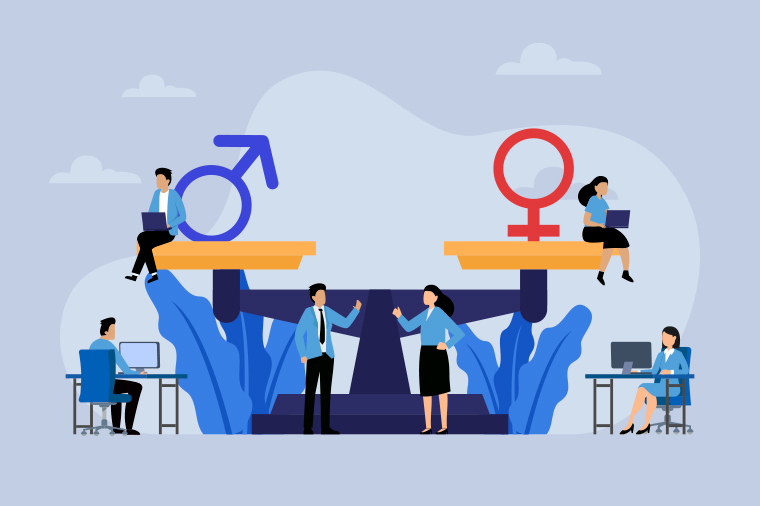
Body The corporate commitment to gender-inclusive workplaces has intensified, marked by innovative strategies and profound challenges. This special report examines the strides being made in promoting gender equality in the workplace, backed by factual insights and recent examples of corporate initiatives. Current State of Gender Inclusivity in Corporations Increasing Female Leadership Representation A 2021 McKinsey report reveals that women's representation in the C-suite has slowly increased, yet only 21% of C-suite executives are women. Companies like Salesforce and PepsiCo have made headlines by implementing targeted leadership programs aimed at closing this gap, which involve mentorship initiatives and bias-free recruitment processes to foster diversity in the workplace. Adoption of Inclusive Policies Many corporations have begun to rigorously enforce comprehensive inclusive policies. For example, Google has updated its internal policies to ensure equitable pay and comprehensive anti-discrimination measures, which has set a benchmark in the tech industry for others to follow, enhancing gender equality in the workplace. Persistent Challenges Cultural and Structural Barriers Despite progress, deep-seated cultural norms continue to hinder gender-inclusive workplaces. The persistence of 'boys' club' cultures in industries like finance and tech subtly undermines efforts to foster inclusivity. Tackling these requires not just policies but a fundamental shift in corporate culture, a challenge highlighted in recent diversity reports from companies like Goldman Sachs and Amazon. Support Systems Deficiency The lack of adequate support for work-life balance remains a significant barrier. For instance, while Netflix has introduced up-to-one-year paid parental leave, many companies still lag behind, offering minimal maternity and no paternity leave, which can discourage equality at home and work, thereby affecting diversity in the workplace. Effective Strategies for Enhancing Gender Inclusivity Focused Education and Awareness Programs Companies are increasingly turning to education to change workplace cultures. For example, Ernst & Young has launched an extensive diversity and inclusion training program, which has been mandatory for all new hires, focusing on dismantling subconscious biases and fostering a supportive work environment, essential for gender equality in the workplace. Mentoring and Networking Opportunities Creating mentoring programs that pair young female professionals with senior leaders has proven effective. Companies like Accenture have established women’s mentorship programs that not only offer guidance but also actively promote career advancement for women within the firm, contributing to gender-inclusive workplaces. The Path Forward: Actionable Steps and Global Perspectives Continuous Policy Evaluation Effective gender inclusivity requires ongoing policy evaluation to adapt to new challenges and feedback. IBM regularly revises its diversity policies based on employee feedback gathered through bi-annual surveys, ensuring that their initiatives remain relevant and impactful, promoting gender equality in the workplace. Diversity Celebrations Celebrating diversity through corporate events and recognitions can significantly enhance workplace inclusivity. International Women's Day, for instance, is widely marked by companies like Zara and H&M with campaigns that not only celebrate women's achievements but also promote gender equality in workplace practices. Leveraging Global Insights The challenge of gender inclusivity is global. Collaborations and knowledge exchanges between multinational corporations can pave the way for innovative solutions. The partnership between UN Women and Unilever is an example of how global insights can lead to powerful advocacy and real change in corporate policies worldwide, enhancing gender-inclusive workplaces. As the corporate world continues to grapple with the complexities of fostering gender-inclusive workplaces, the need for comprehensive strategies and tangible actions becomes more apparent. This extended discussion explores additional layers of strategies and global initiatives, shedding light on the path forward for corporations striving for gender equality in the workplace. Expanding the Scope of Inclusive Practices Innovative Recruitment Strategies In the pursuit of gender inclusivity, recruitment practices play a pivotal role. Progressive companies are now utilizing AI and machine learning tools to remove biases from the recruitment process. For instance, LinkedIn has introduced algorithm adjustments that ensure job ads are equally visible to all genders, countering the trend where certain ads, especially in tech and engineering, traditionally skewed towards male users. Transparent Progress Tracking Transparency in tracking progress towards gender inclusivity not only holds companies accountable but also showcases real-time results of inclusivity efforts. Salesforce, a pioneer in this area, has publicly shared its diversity goals and annual outcomes for several years, encouraging a culture of accountability and continuous improvement, which is crucial for gender equality in the workplace. Enhancing Legal Frameworks Governments are also playing a crucial role by enhancing legal frameworks to support gender inclusivity. In countries like Sweden and New Zealand, legislation requiring companies to perform gender pay audits and report discrepancies has led to more proactive efforts to achieve pay equity, promoting diversity in the workplace. Addressing Workplace Culture Directly Redefining Workplace Culture for Women Creating an environment that truly values diversity and inclusion goes beyond policies and training. Companies like Patagonia have taken bold steps by restructuring their work environments to be more family-friendly, including offering on-site childcare and flexible working hours that appeal to all parents, irrespective of gender, fostering gender-inclusive workplaces. Encouraging Male Participation To achieve real gender inclusivity, male employees must also be engaged in the process. Initiatives like HeForShe, started by UN Women, have been instrumental in encouraging men to participate actively in discussions and actions that promote gender equality in the workplace. Long-Term Commitments and Industry Collaboration Sustained Commitments Long-term commitment from top management is essential for the success of gender inclusivity initiatives. Companies like IBM have demonstrated this by maintaining diversity and inclusion programs for decades, constantly evolving them to meet new challenges and societal expectations, essential for fostering gender-inclusive workplaces. Industry-Wide Collaboration Collaboration across industries can amplify the impact of gender inclusivity efforts. The EDGE Certification, which measures and certifies businesses on gender equality, is one example where companies from various sectors come together to set common standards and share best practices, promoting diversity in the workplace. Leveraging Technology and Innovation Using Technology for Inclusivity Technology is not just a tool for business operations but also a catalyst for promoting inclusivity. Innovative tech companies are developing software that helps identify and eliminate bias in performance evaluations and management decisions, ensuring fair treatment for all employees, enhancing gender equality in the workplace. Virtual Reality Training Emerging technologies like virtual reality (VR) are being used for immersive diversity training programs. These programs place employees in scenarios where they might face discrimination, helping to increase empathy and understanding across the workforce, which is essential for gender-inclusive workplaces. Global Perspectives and Cultural Sensitivity Adapting to Cultural Variations The global nature of many corporations requires a nuanced approach to gender inclusivity that respects cultural variations. Multinational companies are creating region-specific strategies that address local cultural norms and legal requirements while upholding a global standard for gender equality, fostering gender-inclusive workplaces. Shared Global Initiatives Global initiatives like the Women's Empowerment Principles, a partnership between UN Women and the UN Global Compact, provide a framework for businesses worldwide to align their strategies with international standards on promoting gender equality, enhancing diversity in the workplace. In conclusion, the journey towards gender-inclusive workplaces is complex and multifaceted. It requires a combination of innovative strategies, long-term commitments, and global cooperation. By embracing these principles, companies can not only enhance their work environments but also contribute to broader societal change, paving the way for true gender equality in the corporate world and beyond.  
Event Image
1July
 - 
Body In a significant move aimed at modernizing labor regulations and enhancing worker rights, the government has initiated an overhaul of the existing labor laws, introducing four new comprehensive labour codes. This initiative is setting the ball rolling on the Labour Codes designed to streamline, simplify, and enhance the effectiveness of labor regulations in the country. Introduction of the Four New Labour Codes Understanding the Changes:   The latest labour codes represent a consolidation and refinement of 29 existing labor laws into four broad categories. These include the Code on Wages, the Code on Social Security, the Code on Occupational Safety, Health and Working Conditions, and the Code on Industrial Relations. Each code aims to address specific aspects of labor rights and employer obligations, making the legal framework more accessible and enforceable. What Are the 4 New Labour Codes?   Code on Wages: This code ensures a universal minimum wage across all sectors and mandates timely payment of wages to all employees and workers. Code on Social Security: It broadens the scope of social security to include gig and platform workers, along with the traditional employee base. Code on Occupational Safety, Health, and Working Conditions: This code stipulates enhanced safety norms and healthier working conditions across various industries. Code on Industrial Relations: It simplifies the rules related to trade unions, conditions of employment, and dispute resolution. The Process of Rolling Out Labour Codes Implementation Strategy:   The government has initiated the process of rolling out labour codes, which involves extensive consultations with stakeholders including employers, labor unions, and the public to ensure that the codes are implemented smoothly and effectively. These consultations are crucial for addressing any concerns and making necessary adjustments to the proposed regulations. Timeline and Phases:   The implementation of the new labour codes is planned in phases, with priority given to the Code on Wages and the Code on Social Security, recognizing the immediate impact these can have on the workforce's economic security. Impact and Reactions Response from the Workforce:   The overhaul has been met with mixed reactions. While many workers and labor organizations appreciate the increased clarity and potential benefits, some are concerned about the practical implementation of the codes and the readiness of both employers and workers to adapt to the new regulations. Employer Adjustments:   For employers, the latest labour codes necessitate significant adjustments in payroll management, labor relations, and workplace safety protocols. Businesses are actively seeking guidance and clarity on the new requirements to ensure full compliance and to leverage any potential benefits from the streamlined processes. Strategic Goals of the Labour Codes Overhaul Simplification and Unification:   One of the key objectives behind the reform is the simplification and unification of labor laws. By reducing the complexity and number of laws from 29 to four, the latest labour codes aim to eliminate redundancies and make compliance more straightforward for employers. This streamlining is expected to reduce disputes and litigation, creating a more stable and predictable industrial environment. Enhancing Worker Protection:   The new codes are designed not only to simplify regulations but also to extend and enhance protections for a broader segment of the workforce. This includes informal sector workers, contract workers, and those engaged in emerging gig economies. By broadening the definition of employment and ensuring minimum wages and social security benefits extend to these groups, the government is addressing long-standing gaps in worker protection. Promoting Employment and Economic Growth:   By modernizing labor regulations, the government anticipates a more dynamic labor market that can attract more domestic and international investment. The clarity and ease of compliance with the labour codes are expected to encourage businesses to expand operations and hire more freely, without the deterrent of bureaucratic hurdles and the fear of non-compliance penalties. Future Directions Ongoing Revisions and Feedback Loops:   As the rolling out labour codes progress, continuous feedback from stakeholders is essential. The initial phases of implementation will likely reveal areas that require further refinement. Establishing robust feedback mechanisms will allow the government to make timely adjustments to the regulations. Monitoring Economic Impact:   Finally, it will be important to monitor the economic impact of the labour codes closely. This includes studying changes in employment patterns, wage levels, and overall economic productivity. Insights from these data can help fine-tune policies to better support economic growth and worker welfare. As the implementation of the new labour codes continues to unfold, the government and various stakeholders are keenly observing the transitional challenges and opportunities that these reforms present. This phase is critical as it sets the foundation for a more robust and adaptable labor market. Enhancing Compliance through Technology Technology Integration:   To ensure smooth compliance with the new labour codes, the government is leveraging technology to streamline the process. Digital platforms are being developed to facilitate the filing of compliance reports, wage registration, and grievance redressal. This digital approach not only simplifies the compliance process but also makes it more transparent and accessible for all stakeholders involved. Real-Time Monitoring and Analytics:   Advanced analytics and real-time monitoring systems are being set up to track the implementation progress of the labour codes. These systems allow the government to quickly identify any areas where compliance may be lagging and provide targeted interventions. For businesses, this means better support from regulatory bodies to meet the new requirements effectively. Addressing the Needs of a Changing Workforce Flexible Work Arrangements:   Recognizing the evolving nature of work, the latest labour codes include provisions for more flexible work arrangements. This is particularly important in the context of increasing remote work and the gig economy. The codes make it easier for employers to offer part-time, temporary, and freelance work opportunities, aligning with global workforce trends and providing employees with greater work-life balance. Skill Development and Training:   To complement the legislative changes, there is a significant focus on skill development and training programs. These initiatives are designed to prepare both the current and future workforce to adapt to new industry standards and technologies brought forth by the labour codes. The government is collaborating with industry leaders and educational institutions to ensure that the workforce is skilled and ready to meet the demands of a modern economy. Promoting Inclusivity and Fairness   Protection for Vulnerable Groups:   A noteworthy aspect of the new labour codes is the enhanced protection they offer to vulnerable groups within the workforce, such as migrant workers, women, and differently-abled individuals. Specific provisions ensure that these groups receive fair wages, social security benefits, and safe working conditions, promoting an inclusive work environment. Equal Opportunities for All:   The codes are structured to ensure that all workers, regardless of their employment type or sector, have equal access to benefits and protections. This marks a significant step towards reducing inequality in the workplace and ensuring that economic growth benefits a broader section of society. Looking Ahead: Sustainable Labor Practices Sustainability and Corporate Responsibility:   The new labour codes also encourage businesses to adopt sustainable practices and take greater responsibility for the social and environmental impacts of their operations. This aligns with global movements towards corporate sustainability, where businesses are expected to play a pivotal role in promoting ethical labor practices and environmental stewardship. Feedback and Continuous Improvement:   As businesses and workers adapt to the new regulations, the government remains open to feedback to refine and improve the labour codes. This ongoing dialogue between the government, businesses, and workers is crucial for ensuring that the labour codes evolve in response to future challenges and opportunities. In summary, the overhaul of India’s labor laws through the introduction of new labour codes is a transformative initiative that promises to make the labor market more flexible, inclusive, and competitive. As the implementation unfolds, continuous monitoring, adaptation, and collaboration among all stakeholders will be essential to realize the full potential of these reforms and to ensure they contribute positively to India’s economic and social development.
Event Image
1July
 - 
Body In an era where workplace diversity is becoming a benchmark for corporate success, businesses are increasingly turning to multigenerational workforce surveys to harness the potential of a diverse age group within their teams. This strategic pivot is not just about accommodating different age groups but is a calculated approach to boosting innovation and sustainability. The Rise of Multigenerational Workforce Surveys Understanding Generational Dynamics:   Multigenerational workforce surveys are becoming a staple in organizational toolkits, helping HR leaders decode the complex dynamics between different generations. These surveys delve into various work habits, motivational drivers, and professional expectations that differ from Baby Boomers to Millennials and Gen Z. The insights gleaned are crucial for crafting policies that resonate across age groups. Valuing Differences:   A core finding from these surveys is the distinct shift in workplace values across generations. For instance, while older generations may value structured hierarchies and job security, younger employees often prioritize flexibility and purpose in their roles. Recognizing and balancing these differences is vital for maintaining workplace harmony and enhancing productivity. Managing the Multigenerational Workforce Adapting Management Styles:   Managing the multigenerational workforce effectively requires nuanced leadership skills. Leaders must foster an inclusive environment where every group feels valued. This involves tailored communication strategies—traditional face-to-face interactions for some, alongside modern digital communications for others, reflecting the diverse preferences within the workforce. Innovation Through Diversity:   Companies proficient in managing multigenerational teams often see superior performance in innovation and financial outcomes. These firms leverage generational diversity as a catalyst for fresh ideas and perspectives, integrating comprehensive strategies that cater to varied communication and working styles. Strategic Insights from Multigenerational Surveys Identifying Opportunities and Challenges:   Multigenerational workforce surveys help pinpoint potential friction points as well as collaborative opportunities. For example, differences in technology adoption can lead to innovative mentoring programs where skills and knowledge are exchanged between older and younger employees, enhancing the capabilities of the entire workforce. Challenging Biases:   Such multigenerational surveys also serve to uncover and address any underlying biases or stereotypes that might impede teamwork. By bringing these issues to light, organizations can work towards more cohesive and supportive team dynamics. The Future of Work Shaping Policies for Inclusion and Equity:   The insights from a survey are instrumental in developing corporate policies that are not only fair but are also perceived as equitable across all age groups. This could include diverse benefits packages, flexible working conditions, and personalized career development plans. Leadership for a Diverse Age Group:   Effective management of a multigenerational workforce requires leaders who are adaptable and empathetic, capable of understanding and leveraging the strengths of a diverse team. This leadership approach is essential for turning the potential challenges of a multigenerational workforce into a definitive strategic advantage. As businesses delve deeper into the dynamics, the importance of these surveys extends beyond mere adaptation to generational differences. They are becoming integral to fostering a culture of continuous learning and mutual respect among employees from various age brackets. Enhancing Employee Engagement and Retention Boosting Morale and Productivity:   One of the most significant impacts of effective management of the multigenerational workforce is on employee morale and productivity. By understanding and addressing the specific needs and preferences of different generations, companies can create a work environment where all employees feel motivated and valued. This not only boosts individual performance but also enhances overall organizational productivity. Retention Strategies:   Retention of talent across generations requires more than standard one-size-fits-all approaches. Multigenerational workforce surveys often reveal the need for varied engagement strategies, such as flexible working conditions for younger employees and more substantial health benefits or retirement plans for older workers. Implementing these insights can significantly reduce turnover and build a loyal workforce. Leveraging Technology for Integration Bridging the Digital Divide:   In managing the multigenerational workforce, technology plays a pivotal role. The integration of new technologies can sometimes widen the gap between generations, but when managed correctly, it can also serve as a bridge. For instance, introducing collaborative tools that are user-friendly for all age groups can enhance communication and cooperation among diverse teams. Training and Development:   Continuous training and development are essential in keeping all employees, regardless of age, at the forefront of industry advancements. Multigenerational workforce surveys often highlight the demand for ongoing education that caters to different learning styles, which can include online modules for tech-savvy younger employees and more traditional, mentor-led training for older workers. Building Future-Ready Leadership Developing Inclusive Leaders:   The challenge of managing a multigenerational workforce requires leaders who are not only aware of generational differences but are also skilled in creating a culture of inclusion. Training programs that focus on inclusive leadership can help managers understand how to effectively lead diverse teams by emphasizing empathy, respect, and fairness. Succession Planning:   Another critical aspect revealed through surveys is the importance of robust succession planning. By understanding the career aspirations and capabilities of different generational cohorts, companies can better plan for future leadership roles, ensuring a seamless transition and continuity in leadership. Addressing the Global Challenge Global Perspectives:   The challenge of managing a multigenerational workforce is not confined to any single geographic location but is a global phenomenon. Multinational companies, therefore, need to consider cultural as well as generational diversity in their workforce strategies, making the insights from these surveys crucial for global business strategies. Customized Solutions for Diverse Workforces:   The one-size-fits-all approach is increasingly obsolete in today’s diverse work environment. Insights from multigenerational workforce surveys prompt companies to design customized solutions that cater to the nuanced needs of their diverse workforce, thus enhancing efficiency and satisfaction at work. In essence, the multigenerational workforce survey is not just a tool for current workforce management but is also a strategic asset for future organizational planning. As businesses continue to navigate the complexities of a diverse workforce, these surveys will play a pivotal role in shaping a resilient, inclusive, and innovative corporate culture, ready to face the challenges of the modern business environment.    

Manual vs Automated Payroll

Learn the benefits and drawbacks of manual vs. automated payroll systems. Discover which one aligns best with your company's payroll processing requirements.

Culture Mapping is Crucial Today

Explore why understanding and mapping organizational culture is essential for building a productive and harmonious workplace environment. Read more here!

Streamlining Employee Expense Reimbursements

Discover 10 effective tips to simplify employee expense reimbursements, streamline processes, and ensure hassle-free reimbursements.

Effective Remote Hiring

Discover strategies to optimize remote interviews and assessments for effective hiring. Maximize efficiency and find top talent seamlessly. Read more!

Good Payroll System = Time & Money Saved

A good payroll system streamlines processes, saves time, reduces errors, and ensures compliance, helping your startup save money efficiently.

Simplify Payroll Queries

Discover effective methods for swiftly tackling complex employee payroll concerns with ease. Simplify processes, minimize errors, and boost productivity.

Benefits of HRIS

Discover how HRIS benefits to empower your business. Know the key functionalities to streamline HR processes efficiently and boost productivity.
Subscribe to