
15 Signs Your Company Has Outgrown Excel for HR Management | Hoshi HRMS
15 Signs Your
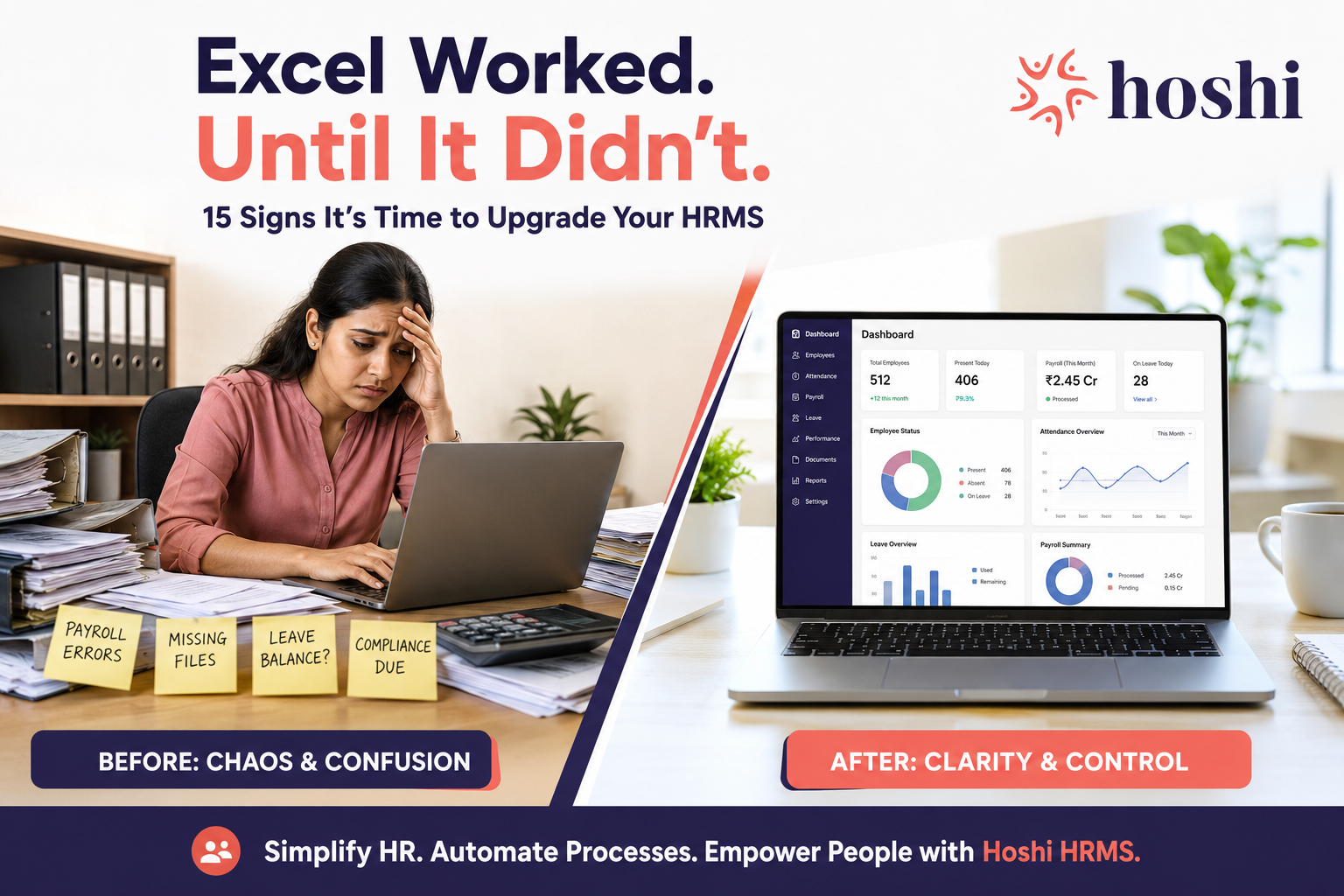
The company has outgrown Excel for HR Management.
There comes a point in every growing company where Excel stops being “simple” and starts becoming stressful.
At first, spreadsheets feel like the perfect solution. They’re familiar, affordable, and easy to start with. You track employee records in one sheet, leaves in another, payroll somewhere else, and somehow it all works.
Until it doesn’t.
Suddenly:
- Payroll takes days
- Attendance errors increase
- Employees keep asking HR for updates
- Compliance becomes risky
- Important files go missing
And worst of all, your entire HR process depends on one person who “understands the sheet.”
If this sounds familiar, your company may have already outgrown Excel for HR management.
Here are 15 clear signs it’s time to move to a modern HRMS software like Hoshi HRMS.
1Payroll Takes Too Long
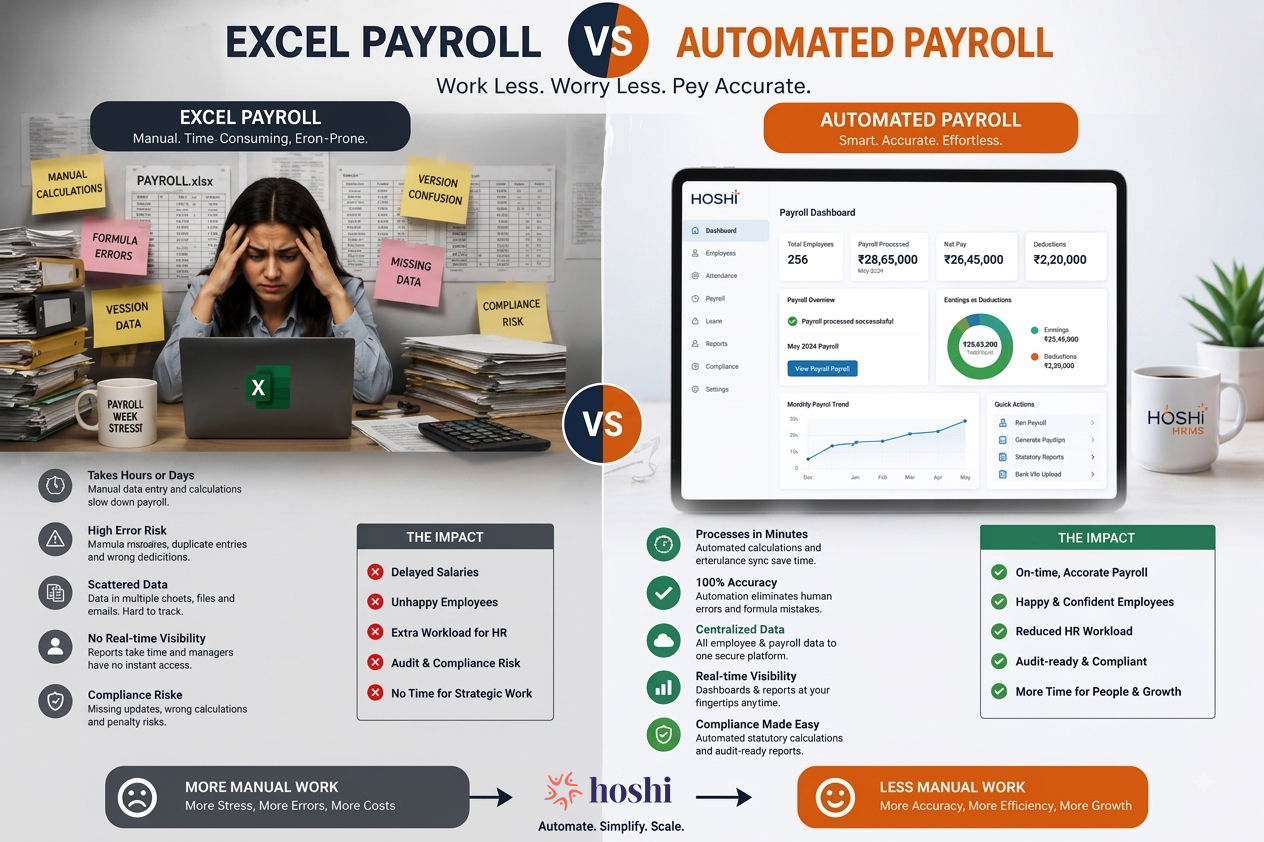
If payroll week feels chaotic every month, that’s a major warning sign.
Manual payroll means:
- Copying attendance data
- Calculating deductions manually
- Fixing formula errors
- Cross-checking leave balances
A modern payroll software automates salary calculations, payslips, and compliance in minutes instead of days.
2Formula Errors Are Causing Problems
One wrong formula can create:
- Incorrect salaries
- PF mistakes
- Tax errors
- Attendance mismatches
Excel is flexible, but it’s fragile.
That’s why growing businesses move toward HR automation and centralized systems.
3HR Spends More Time Updating Sheets Than Managing People
HR teams should focus on people, not endless admin work.
If your HR team spends most of the day:
- Updating employee records
- Tracking attendance
- Sending repetitive emails
- Managing leave sheets
Excel is slowing your company down.
A modern cloud HR software helps automate repetitive tasks and centralize operations.
4Employees Constantly Ask HR for Updates
“How many leaves do I have left?”
“Can you resend my payslip?”
When employees depend on HR for simple information, productivity suffers.
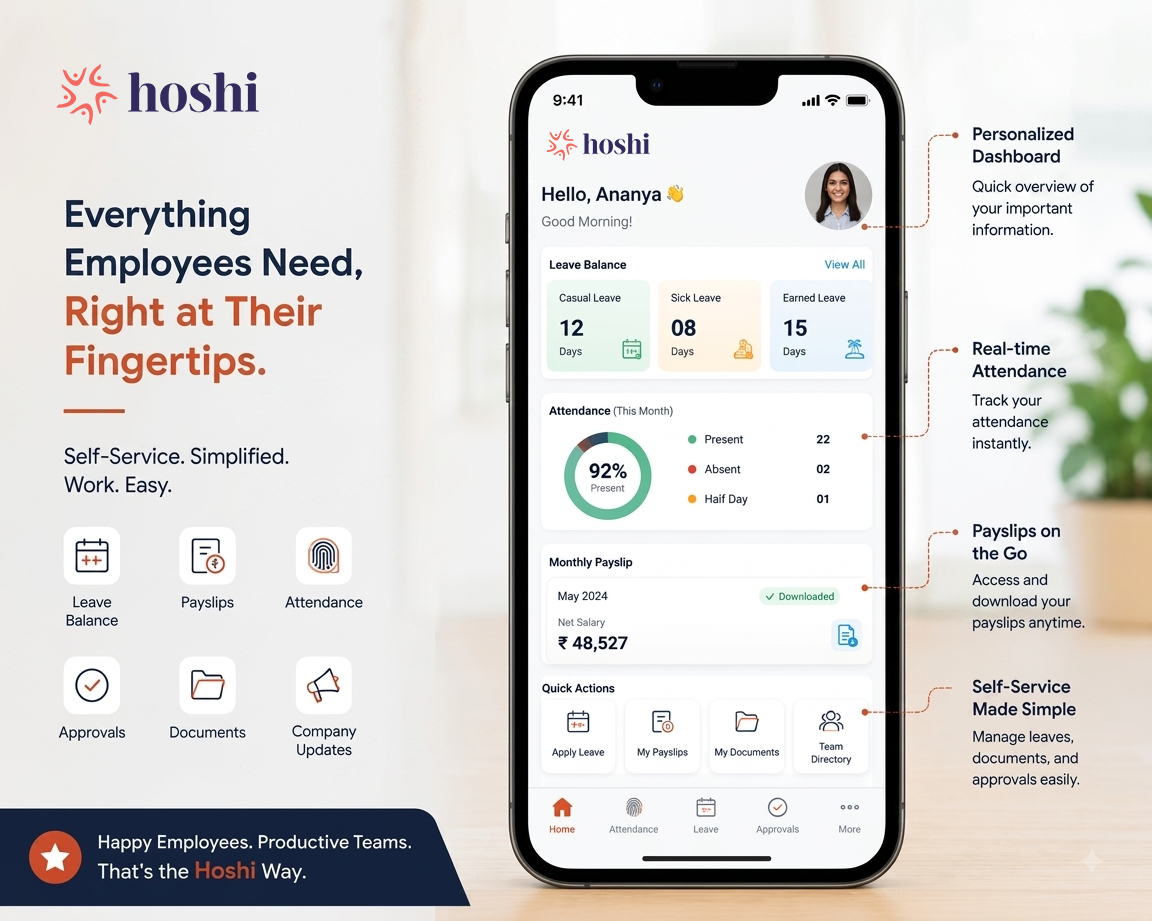
A good employee self-service portal lets employees access:
- Payslips
- Leave balances
- Attendance records
- Company documents
Without constantly messaging HR.
5Attendance Tracking Has Become Complicated
Hybrid teams, remote work, multiple shifts — spreadsheets aren’t built for modern attendance tracking.
An attendance management system handles:
- Real-time attendance
- Geo-tagging
- Shift tracking
- Overtime calculations
- Mobile check-ins
6Employee Data Is Scattered Everywhere
Some files are in Excel. Some are in emails. Some are on WhatsApp.
That’s not a system. It’s a risk.
A centralized HRMS platform keeps employee records, documents, payroll, and attendance in one secure place.
According to IBM’s Cost of a Data Breach Report, poor data management significantly increases operational and security risks.
7Compliance Is Becoming Stressful
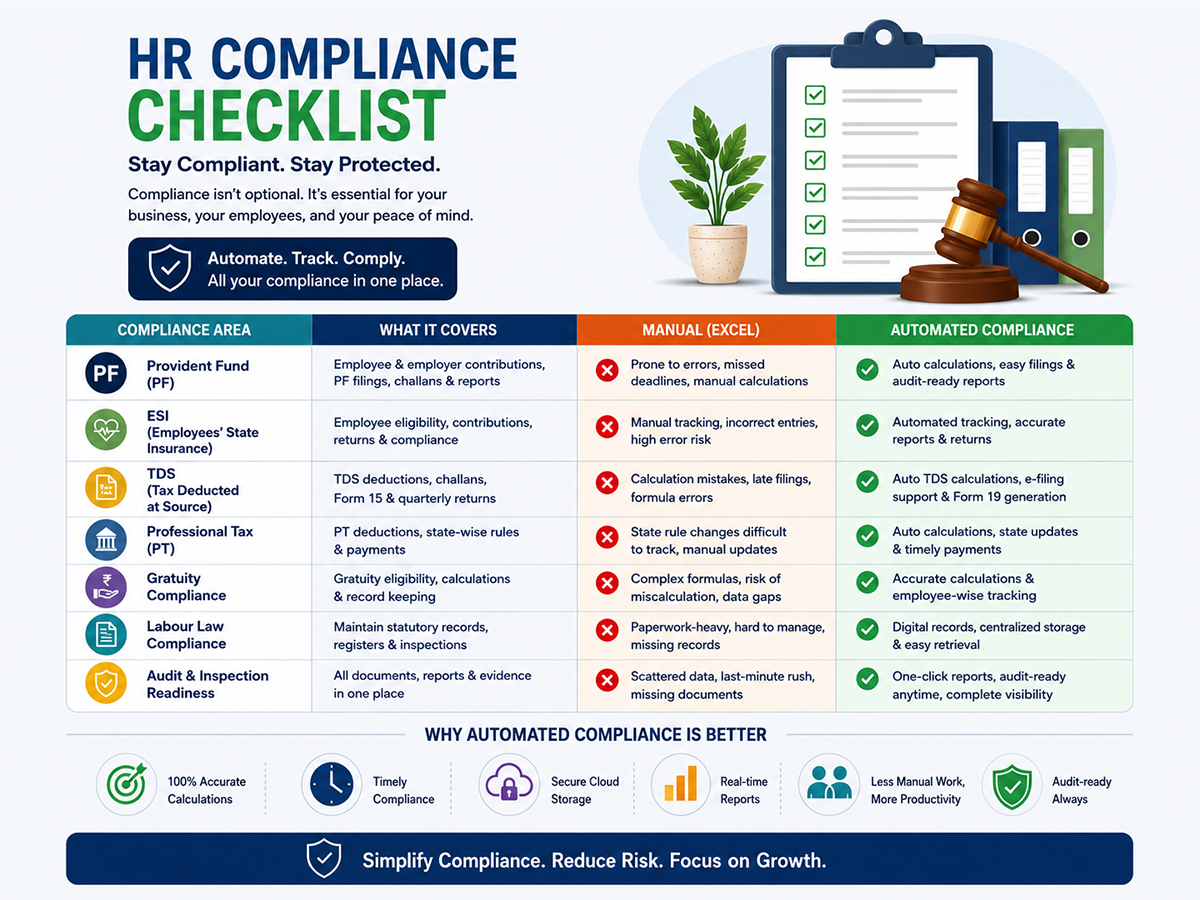
Managing PF, ESI, PT, TDS, gratuity, and payroll records manually becomes risky as companies grow.
Mistakes can lead to:
- Penalties
- Audit issues
- Employee disputes
A modern HR payroll software helps automate compliance and maintain audit-ready records.
8Leave Management Feels Messy
If leave approvals happen on WhatsApp or email, confusion is inevitable.
Common problems include:
- Incorrect leave balances
- Missed approvals
- No visibility for managers
A proper leave management system creates transparency for employees and HR teams.
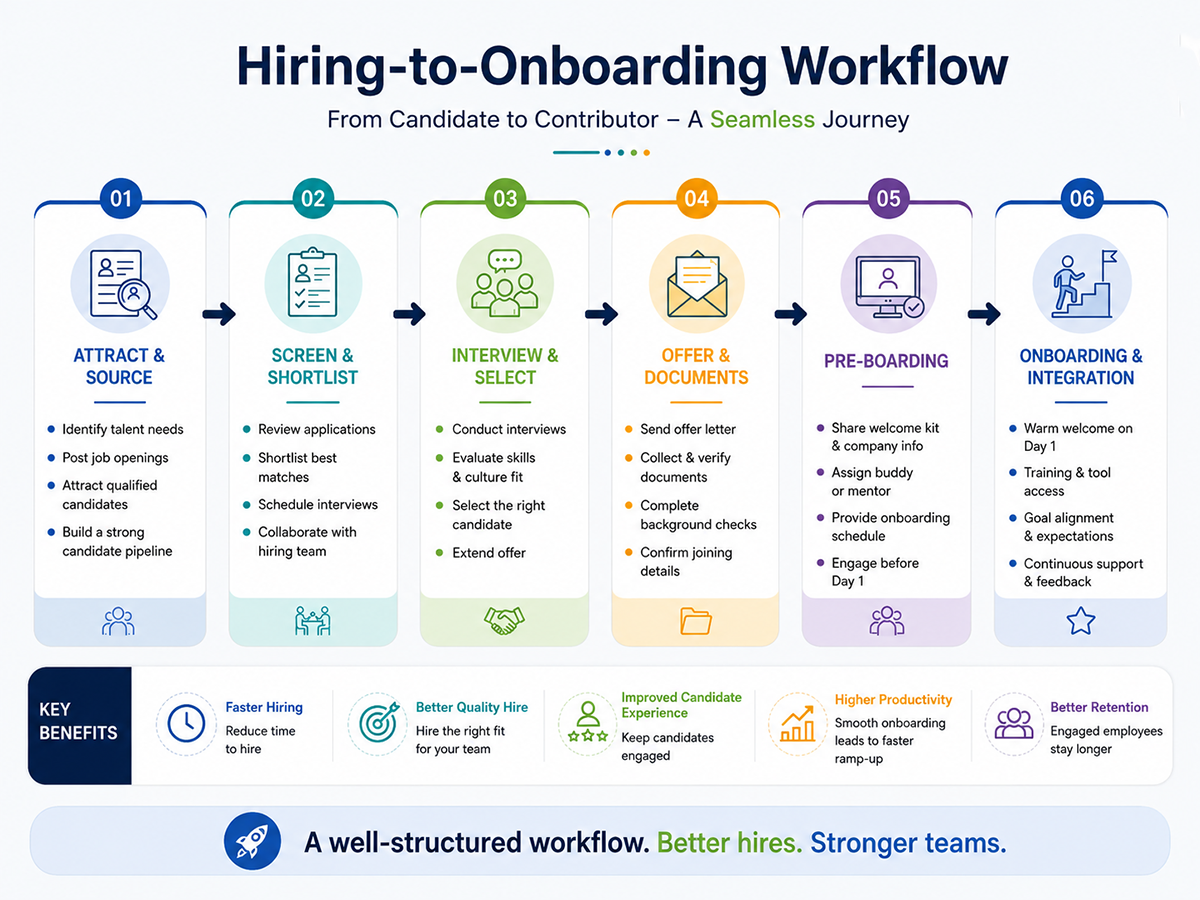
9Hiring and Onboarding Feel Disorganized
As companies grow, manual hiring processes become difficult to manage.
Candidate resumes get lost. Offer letters get delayed. New hires join without proper onboarding.
An organized employee onboarding software helps streamline recruitment and onboarding workflows.
10Reporting Takes Too Much Time
Need a quick HR report?
With spreadsheets, that usually means manually collecting data from multiple files.
A modern HR analytics dashboard generates reports instantly for:
- Attendance
- Payroll
- Leave trends
- Attrition
- Hiring metrics
11Your Team Has Grown Beyond 25–30 Employees
Excel might work for very small businesses.
But once your workforce grows, complexity increases rapidly:
- More approvals
- More payroll variations
- More employee data
- More compliance responsibilities
This is usually when companies start adopting scalable cloud HRMS platforms.
12Managers Have No Visibility
Managers shouldn’t depend on HR for every update.
They should easily access:
- Team attendance
- Leave calendars
- Pending approvals
- Shift schedules
Without proper visibility, HR becomes a bottleneck.
13Your HR Process Depends on One Person
Every company has that one person who knows “how the sheet works.”
That dependency becomes dangerous when:
- Processes aren’t documented
- Errors increase
- Operations stop if they leave
A structured HR management system creates standardized workflows that don’t rely on one individual.
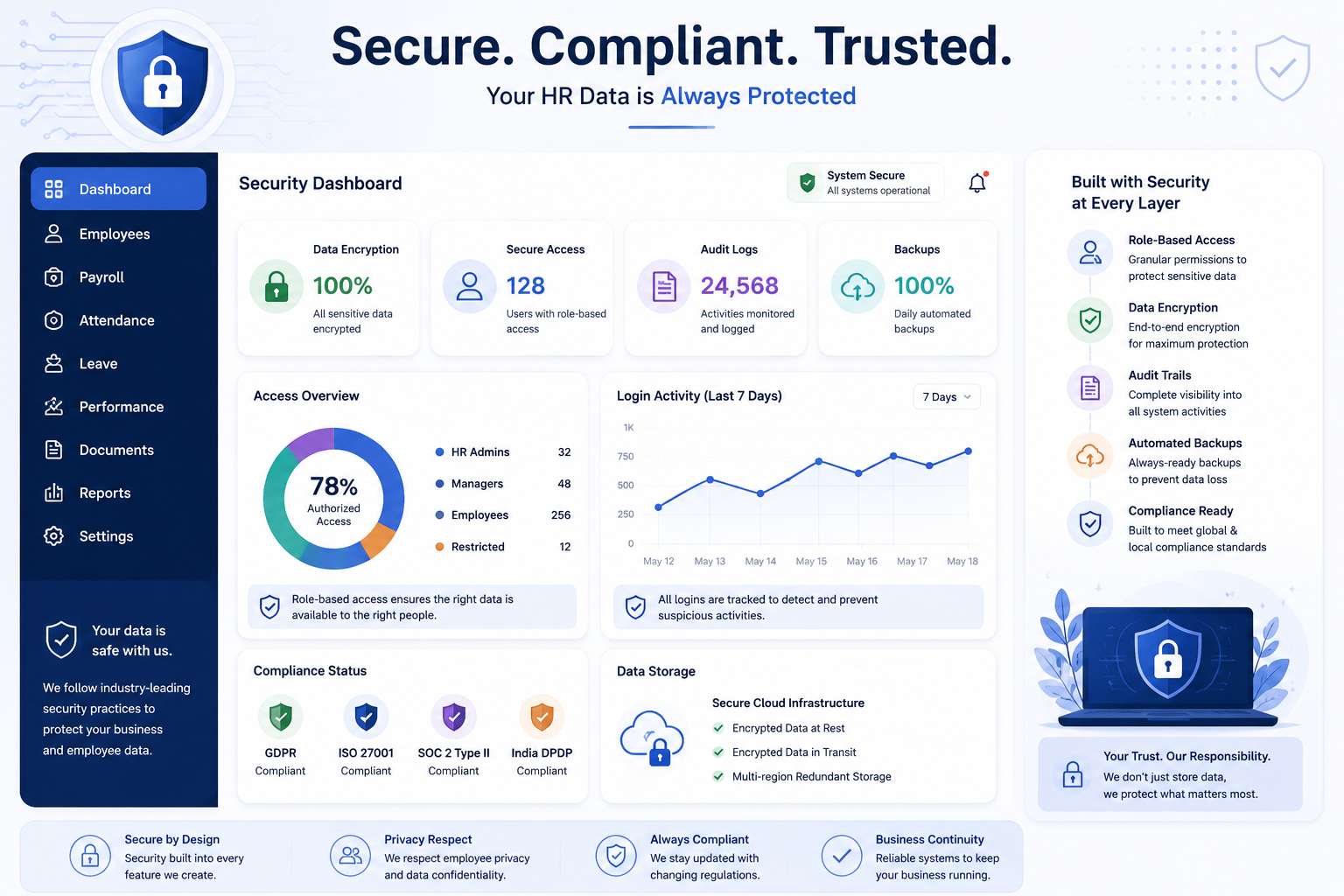
14Data Security Is Becoming a Concern
Employee salaries, IDs, and bank details are sensitive information.
But spreadsheets are often:
- Shared openly
- Downloaded locally
- Sent through email
Modern cloud HR software platforms offer:
- Role-based access
- Secure storage
- Audit trails
- Backup systems
15Everyone Is Busy, But Nothing Feels Efficient
This is the biggest sign of all.
Your HR team is constantly working, but things still feel delayed and chaotic.
That usually means your systems are outdated.
Modern HRMS software helps businesses automate repetitive work so HR teams can focus on people instead of paperwork.
What Happens When You Move Beyond Excel?
Companies that switch to modern HR software often notice improvements almost immediately.
Things become:
- Faster
- More accurate
- Easier to manage
- More transparent
Payroll gets automated. Attendance becomes real-time. Employees become more self-sufficient. Managers gain visibility.
Platforms like Hoshi HRMS help growing businesses simplify payroll automation, attendance management, leave tracking, and employee self-service from one centralized platform.
Because scaling a company shouldn’t mean scaling chaos.
FAQs
What is HRMS software?
An HRMS software helps businesses manage payroll, attendance, leave, onboarding, and employee records from one platform.
Is Excel enough for HR management?
Excel works for very small teams, but growing companies often struggle with payroll errors, compliance, and manual processes.
How does payroll software improve accuracy?
Modern payroll software automates calculations, deductions, and attendance sync, reducing human errors.
Why do companies move to cloud HR software?
Cloud HR software improves automation, accessibility, reporting, and data security compared to spreadsheets.